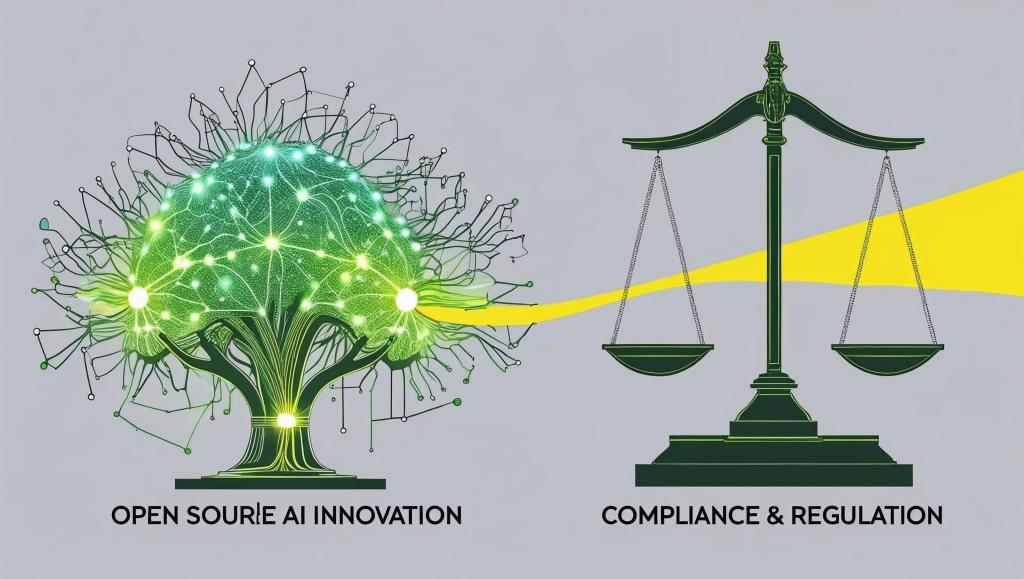
In the rapidly evolving world of artificial intelligence, establishing trust is not just a good practice—it’s a business imperative. As organizations across the globe integrate AI into their operations, a shared understanding of what constitutes responsible AI is crucial for sustainable growth and public confidence. This is where the OECD AI Principles come in, offering a foundational framework for AI governance.
In May 2019, the Organisation for Economic Co-operation and Development (OECD) adopted the first intergovernmental standard on AI. Backed by over 40 countries, these principles provide a global benchmark for the responsible stewardship of AI systems. You can explore the official principles at the OECD.AI Policy Observatory.
While not legally binding, their influence is profound, shaping national regulations and corporate governance frameworks worldwide. For business leaders and AI practitioners, understanding and aligning with these principles is essential for mitigating risks, fostering innovation, and building lasting trust. This guide will break down what the OECD AI Principles are, why they are critical for your business, and how you can put them into practice.
What are the OECD AI Principles?
The OECD AI Principles are a set of recommendations designed to guide the development and use of AI systems that are both innovative and trustworthy, ensuring they respect human rights and democratic values.
The framework is built on two key pillars:
- Principles for responsible stewardship of trustworthy AI.
- Recommendations for public policy and international co-operation.
Think of the first pillar as the “what”—the core values that should underpin your AI systems. The second pillar is the “how”—the actions governments should take to create an environment where responsible AI can flourish, influencing the future of AI regulations.
Why the OECD AI Principles Matter for Your Business
While directed at policymakers, these principles have significant implications for the private sector. Here’s why your organization needs to pay attention:
- They Form the Basis of National Laws: Governments are using the OECD principles as a blueprint for their national AI strategies. Aligning with them now is a form of future-proofing against upcoming compliance requirements, similar to how businesses prepared for GDPR.
- They Build Customer Trust: In an age of data privacy concerns and algorithmic bias, a commitment to AI ethics is a powerful differentiator. Adherence to these principles signals to your customers that you are a trustworthy partner.
- They Mitigate Risk: By embedding principles like safety, transparency, and accountability into your AI lifecycle, you can proactively identify and address potential harms, reducing the risk of financial, reputational, and legal damage.
- They Drive Responsible Innovation: These principles are not about stifling innovation. Instead, they provide a stable, ethical foundation that allows your teams to build cutting-edge AI solutions with confidence, a concept also championed by frameworks like the NIST AI Risk Management Framework.
The Five Value-Based Principles for Trustworthy AI
The core of the framework lies in five value-based principles. Let’s explore each one and what it means for your organization.
1. Inclusive Growth, Sustainable Development, and Well-being
The Principle: AI should be used to benefit people and the planet by driving inclusive growth, sustainable development, and well-being.
What it means: This principle places humanity at the center of AI development. It asserts that AI systems must contribute positively to society by stimulating economic growth, promoting environmental sustainability, and augmenting human capabilities to create a more prosperous and equitable world.
How to apply this:
- Conduct Impact Assessments: Before deployment, assess the potential impact of an AI system on all stakeholders, society, and the environment.
- Focus on Augmentation: Design AI to empower and assist humans, enhancing creativity and decision-making.
- Promote Accessibility: Ensure the benefits of your AI systems are accessible to all, including individuals with disabilities.
Inclusive Growth, Sustainable Development, and Well-being
This chart illustrates the relative importance of applying AI to key strategic areas to drive positive global impact, aligning with the principle of benefiting people and the planet.
Source: OECD AI Principles
2. Human-Centered Values and Fairness
The Principle: AI systems should be designed in a way that respects the rule of law, human rights, democratic values, and diversity, including appropriate safeguards to ensure a fair and just society.
What it means: This is a direct call to prevent AI from perpetuating or amplifying unfair biases. It requires that AI systems are developed and used in a way that is fair and non-discriminatory. It also emphasizes the importance of keeping a “human in the loop,” a key topic in discussions around the EU AI Act.
How to apply this:
- Prioritize Data Diversity: Train models on diverse and representative datasets to mitigate algorithmic bias.
- Implement Fairness Audits: Regularly test your AI systems for bias across different demographic groups.
- Establish Human Oversight: Define clear protocols for human intervention, especially in high-stakes areas like hiring or lending.
Human-Centered Values and Fairness
This radar chart visualizes a system’s performance across key fairness metrics, showing how well it respects human rights, diversity, and non-discrimination.
Source: OECD AI Principles
3. Transparency and Explainability
The Principle: There should be transparency and responsible disclosure around AI systems to ensure that people understand AI-based outcomes and can challenge them.
What it means: The “black box” problem is a major barrier to trust. This principle demands that organizations be open about their use of AI. People should know when they are interacting with an AI system and be provided with a clear explanation for significant decisions.
How to apply this:
- Be Transparent About AI Use: Clearly disclose to users when they are interacting with an AI system.
- Invest in Explainable AI (XAI): Use XAI techniques to provide simple, human-understandable explanations for your model’s outputs.
- Document Everything: Maintain thorough documentation of your AI systems, including data, models, and logic.
Transparency and Explainability
This doughnut chart shows the proportional effort required for the core components of AI transparency, from public disclosure to internal documentation.
-
✔
Disclose AI Interaction: Inform users when they engage with an AI.
-
✔
Invest in XAI: Use tools to make model outputs understandable.
-
✔
Document Everything: Maintain clear records of data, models, and logic.
Source: OECD AI Principles
4. Robustness, Security, and Safety
The Principle: AI systems must be robust, secure, and safe throughout their entire lifecycle so that they do not pose an unreasonable safety risk.
What it means: An AI system that is easily manipulated or breaks down is a liability. This principle requires that AI systems are dependable and resilient to attacks (like adversarial attacks). For more on this topic, see resources on AI safety from organizations like the Future of Life Institute.
How to apply this:
- Rigorous Testing: Implement comprehensive testing and validation that covers performance on edge cases and under stress.
- Adopt a “Security by Design” Approach: Integrate security into every stage of the AI development lifecycle.
- Plan for Failure: Develop contingency plans and fallback mechanisms for when an AI system fails.
Robustness, Security, and Safety
This area chart shows how security measures must be integrated and intensified throughout the entire AI lifecycle, from initial planning to post-deployment monitoring.
Source: OECD AI Principles
5. Accountability
The Principle: Organizations and individuals developing, deploying, or operating AI systems should be held accountable for their proper functioning.
What it means: Accountability is the thread that ties all the other principles together. It means taking ownership. Someone must be responsible for the outcomes of an AI system, which requires a clear governance structure.
How to apply this:
- Establish an AI Governance Framework: Create a cross-functional team (including legal, ethics, and technical experts) to oversee AI development.
- Define Roles and Responsibilities: Clearly document who is accountable for what at each stage of the AI lifecycle.
- Create Redress Mechanisms: Establish clear channels for users to raise concerns and challenge AI-driven decisions.
Accountability
This pie chart breaks down the foundational pillars of accountability, showing how a strong governance framework is the largest component of taking ownership for AI systems.
Source: OECD AI Principles
Conclusion: From Principles to Practice
The OECD AI Principles provide an indispensable roadmap for any organization serious about responsible AI. They are more than just a checklist; they are a call to action to build a future where artificial intelligence is a force for good.
For business leaders and practitioners, embracing these principles is not a matter of mere compliance, but of strategic advantage. By embedding fairness, transparency, and accountability into the core of your AI governance, you will not only mitigate risks but also unlock new opportunities, build deeper trust with your customers, and secure your place as a leader in the age of AI.